What are Some Tips for Wholesale Swimwear Online for My Boutique?
Swimwear is not a slow business. It never was, and it never will be. Anyone entering this category expecting calm, predictable cycles is already behind. Swimwear wholesale is built on speed, anticipation, and ruthless efficiency. Trends do not wait. Seasons do not forgive mistakes. Inventory either sells fast or becomes dead weight. If you want to build a boutique that survives—and scales—in this segment, you must understand the real mechanics behind Wholesale Swimwear, not the surface-level advice repeated everywhere online.
This market rewards operators who think ahead, move faster than competitors, and treat sourcing as a strategic weapon rather than a background task. From sourcing Swimsuit Vendors to testing Custom Swimsuits, success depends on mastering seasonality, trend velocity, MOQ flexibility, and uncompromising quality control.
Below are the non-negotiable realities and practical strategies every serious boutique owner must internalize.
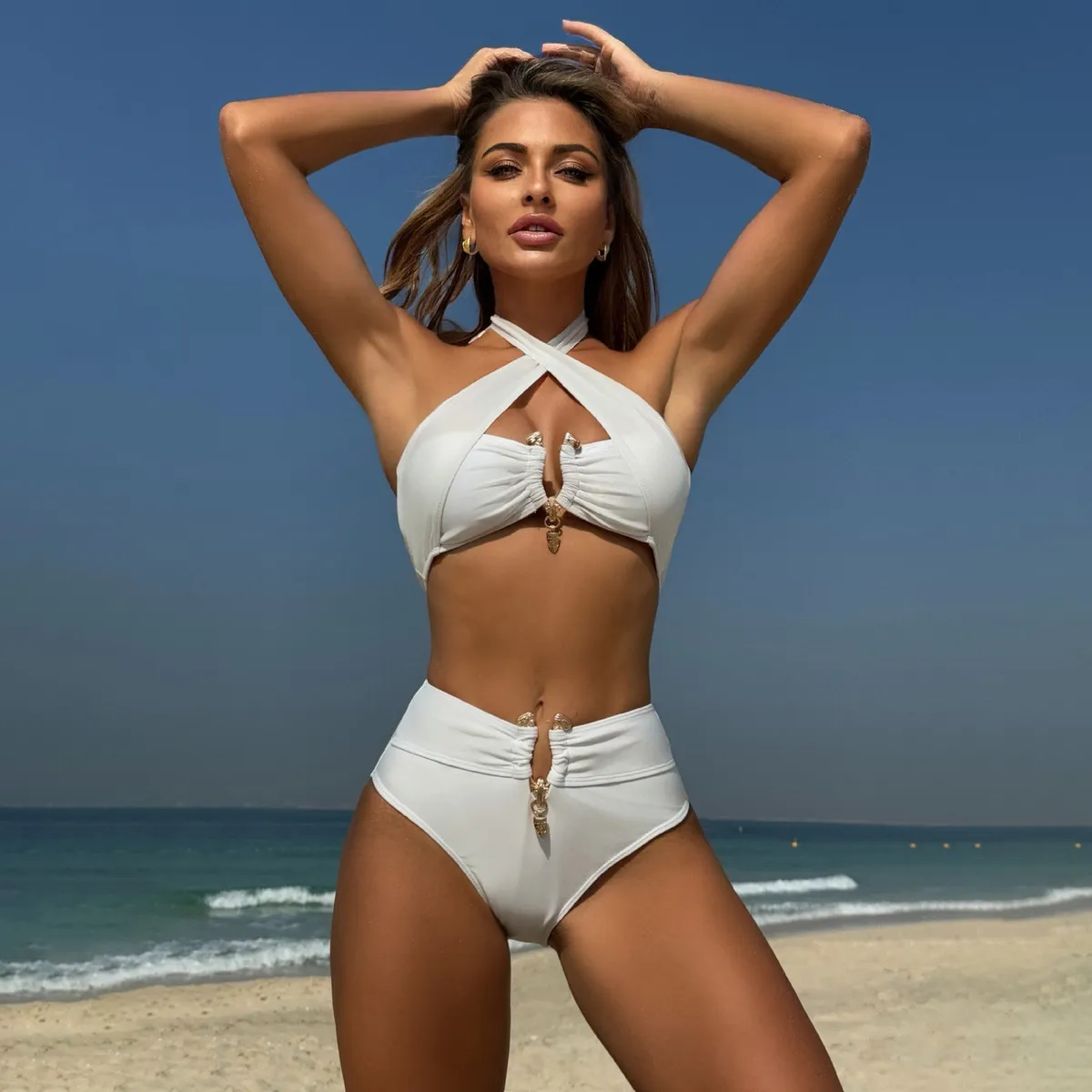
Seasonality Is Not a Suggestion, It Is a Deadline
Swimwear is one of the most seasonally aggressive categories in apparel. Sales momentum is heavily concentrated between late spring and peak summer, roughly March through August. Miss that window, and your inventory does not “wait” for next year—it depreciates.
Successful Wholesale Swimwear buyers do not place orders when customers start asking questions. They place orders one to three months earlier, sometimes more. By the time consumer demand becomes obvious on social media or marketplaces, top sellers have already locked in their stock and are preparing replenishment orders.
This is where inexperienced boutique owners fail. They hesitate. They wait for “confirmation.” They overthink trends instead of predicting them. The result is predictable: late deliveries, missed sales peaks, and forced discounts.
Working with reliable Swimsuit Vendors is essential here. You need suppliers who can produce fast, ship fast, and communicate clearly. If your supplier takes two weeks just to confirm details, they are already too slow for this business.
Seasonality also amplifies inventory risk. Swimwear is trend-sensitive and body-sensitive. Prints, cuts, and colors age quickly. A floral pattern that sells explosively in June can become unsellable by September. That is why experienced buyers prioritize flexible ordering, fast reorders, and tight inventory cycles rather than massive one-time purchases.
In this context, categories such as Wholesale Bikinis dominate early-season sales, while one-piece designs, cover-up sets, and conservative styles may peak later. Meanwhile, family-oriented boutiques often see staggered demand across Wholesale Kids Swimwear, Wholesale Girl Swimsuits, and men’s lines.
Ignoring these timing differences leads to unbalanced inventory. Smart buyers build layered purchasing calendars—different product types, different order cycles, same ruthless attention to timing.
Fast Fashion Speed Is the Real Competitive Barrier
Swimwear behaves like fast fashion, but with higher technical requirements. Every year, the market resets around new fabrics, new prints, new silhouettes, and new color stories. What sold last summer may not even get clicks this year.
The wholesale market has already adapted. Small-batch, multi-style ordering has replaced traditional large-volume buying. Today’s successful boutiques do not bet everything on one design. They test aggressively, observe performance, and double down only on proven winners.
This is why sourcing from agile Wholesale Bikinis Suppliers matters more than ever. You need factories that can handle frequent style updates, not just mass production. The ability to replicate bestsellers quickly and replenish inventory within weeks is what separates fast-growing boutiques from stagnant ones.
For men’s lines, the same logic applies. Wholesale Men Swimwear and Wholesale Men Swimsuits are no longer static categories dominated by basic trunks. Cuts are evolving. Fabrics are improving. Lifestyle positioning matters. Customers expect stretch, comfort, quick-dry performance, and modern aesthetics. If your supplier is still offering the same silhouettes from five years ago, your brand will look outdated.
Speed also affects pricing power. Early movers sell at full margin. Late movers discount. The math is brutal and unforgiving.
Testing is the only safe strategy. Start with small quantities across multiple designs. Let the market decide. Then reorder fast. This is why swimwear wholesale favors e-commerce sellers, social-first brands, and digitally native boutiques. They move faster, gather data faster, and pivot faster.
If your supply chain cannot support this rhythm, no amount of marketing will save you.
MOQ Flexibility Creates Opportunity for New Brands
One of the few forgiving aspects of swimwear is its relatively flexible minimum order quantities. Compared to categories like denim or outerwear, swimwear typically requires lower MOQs per style, fewer size breaks, and simpler grading.
Most Wholesale Swimwear programs focus on XS to XL, reducing complexity and risk. This structure is ideal for startups, boutique owners, and niche brands testing their positioning.
Lower MOQs enable experimentation. You can explore bold prints, niche aesthetics, or underserved demographics without committing to massive volumes. This is especially valuable for boutiques targeting specific segments, such as active lifestyles, resort wear, or modest designs.
Children’s categories benefit even more. Wholesale Kids Swimwear and Wholesale Girl Swimsuits often sell in curated sets rather than wide assortments. Parents value safety, comfort, and durability more than extreme trendiness, which allows slightly longer selling windows—but quality expectations are even higher.
However, flexible MOQs do not mean careless buying. Every SKU still carries risk. The advantage is that you can spread that risk intelligently across more designs rather than betting everything on one “hero” product.
For boutiques adding men’s lines, Wholesale Men Swimwear often serves as a complementary category that increases average order value. Men may buy fewer pieces, but they return when fit and quality meet expectations.
The key is balance. Use low MOQs to test broadly, then commit deeply only when data supports it.
Quality Control Is Where Profits Are Won or Lost
Swimwear may look light and simple, but it is one of the most technically demanding apparel categories. Customers may forgive a loose T-shirt. They will not forgive a swimsuit that stretches out, becomes transparent, or fails after a few wears.
Fabric performance is non-negotiable. Elasticity, recovery, opacity, and resistance to chlorine, saltwater, and UV exposure all matter. Stitching must withstand tension. Seam finishes must be smooth. Lining must provide coverage without bulk.
This is why sample testing is not optional. Any serious Wholesale Swimwear purchase requires physical samples, wash tests, stretch tests, and wear trials. If a supplier discourages sampling or rushes you through approval, that is a red flag.
Quality sensitivity is even higher in customized programs. Custom Swimsuits and Custom Made Swimsuits involve more variables: unique fabrics, exclusive prints, modified cuts. Each change introduces potential risk. Without rigorous testing, defects scale quickly and damage your brand.
The same applies to Custom Bikini programs. Bikini tops and bottoms must maintain shape independently. Strap tension, cup support, and edge finishing are critical. One weak component can ruin the entire product.
Experienced suppliers understand this and guide clients through multiple sampling rounds. They adjust patterns, tweak elastic ratios, and refine construction. This process takes time and clear communication, but it dramatically reduces long-term risk.
Quality failures cost more than refunds. They erode trust. In swimwear, trust is everything.
Customization Is About Differentiation, Not Volume
Customization in swimwear is not about ordering more units. It is about standing apart in an overcrowded market. Successful brands use Custom Swimsuits to create visual identity, not to chase scale prematurely.
Most customization focuses on differentiation: exclusive prints, signature colors, distinctive cuts, or targeted fit solutions. These elements are hard to copy quickly and create brand recognition.
Custom Made Swimsuits also allow brands to align product design with specific audiences. Athletic cuts, vacation aesthetics, conservative silhouettes, or bold fashion-forward statements all serve different customers. Customization lets you commit fully to one vision instead of blending into the mass market.
Fabric and process choices expand this advantage. Recycled nylon, high-spandex blends, double-layer constructions, and advanced printing techniques all influence positioning. These decisions affect cost, hand feel, durability, and perceived value.
MOQ requirements increase with customization depth. Simple changes like color swaps or private labeling may require minimal commitment. Full pattern development, exclusive fabrics, and original prints demand higher volumes. This is not a disadvantage—it is a barrier that protects your brand once crossed.
The real cost of customization is not money. It is communication. Fit feedback, stretch testing, shrinkage analysis, and colorfastness approval require patience and precision. Brands that invest here reduce long-term mistakes and build stronger supplier relationships.
In swimwear, customization done right is a moat.
Supplier Strategy Determines Long-Term Survival
Choosing the right Swimsuit Vendors is not about price alone. It is about speed, transparency, and problem-solving ability. The best suppliers act as partners, not order-takers.
Reliable Wholesale Bikinis Suppliers understand market rhythms. They warn you about fabric shortages, production bottlenecks, and realistic timelines. They help optimize designs for manufacturability without sacrificing aesthetics.
The same applies across categories. Whether sourcing Wholesale Men Swimsuits, Wholesale Kids Swimwear, or women’s fashion lines, supplier competence determines how quickly you can respond to demand.
Online sourcing expands options but increases risk. Clear documentation, detailed tech packs, and frequent communication are essential. Every assumption must be verified. Every promise must be confirmed in writing.
In this business, trust is built through consistency, not words.
Final Reality Check for Boutique Owners
Swimwear wholesale is not forgiving, but it is rewarding. It favors operators who think ahead, test relentlessly, and execute without hesitation. Trends move fast. Inventory expires quickly. Quality failures are public and costly.
But for those who master timing, leverage flexible MOQs, demand uncompromising quality, and use Custom Swimsuits strategically, the upside is significant.
This category does not reward caution. It rewards preparation.
If you want your boutique to compete in Wholesale Swimwear, you must treat sourcing as strategy, not logistics. The brands that win are not lucky. They are faster, sharper, and less emotional.
That is the truth of this market—whether anyone wants to admit it or not.


Comments
Post a Comment